METHOD
What a single source can actually establish
Wanjiru Kamau · 12 Aug 2026 · 6 min read
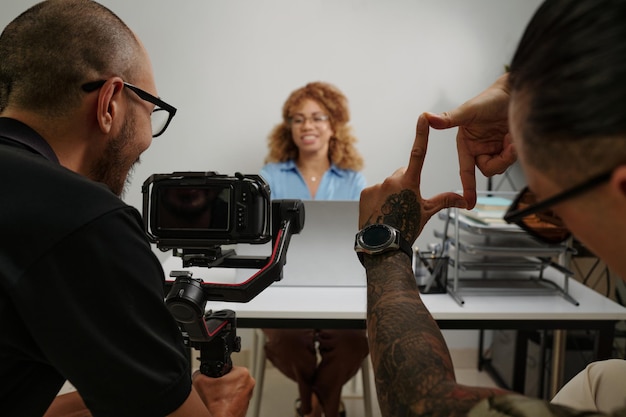
Every reporter has sat across from one person who says something that would change the entire shape of a story, if it's true. The pull toward publishing on the strength of that single account is strong, especially when the person seems credible and the story seems important. But credibility and importance don't change what a lone account can actually carry.
A single source, however well placed, establishes that someone said something. It does not, on its own, establish that the thing they said happened. This sounds obvious stated plainly, yet it's routinely blurred in practice, usually through phrasing that lets a claim sound more settled than the reporting behind it actually is.
The gap between an account and a fact
Consider the difference between "a former employee said the company falsified the figures" and "the company falsified the figures." The first sentence is fully supported by one interview. The second requires something the interview alone cannot provide — independent confirmation, a document, a pattern across more than one account. Collapsing the first into the second is where a story becomes vulnerable, sometimes months after publication.
This isn't a call to distrust every source. Most people who come forward with something significant are telling the truth as they understand it. The issue is that understanding, memory, and motive all shape a single account in ways a reporter can't fully see from one conversation, however careful the interview.
Writing around a gap honestly
The practical fix is not always to keep reporting until a second source appears — sometimes that second source doesn't exist, or won't talk. The fix is to write the sentence at the level of certainty the material supports, and say so plainly rather than hoping the reader won't notice the gap.
A claim attributed honestly to one account is more durable, not less, than the same claim stated as settled fact.
That distinction rarely weakens a story. Readers are generally comfortable with attributed uncertainty; what damages trust is a claim presented as fact that later turns out to rest on a single, unconfirmed account. Being precise about what one source can and cannot establish is, in the end, a form of protecting the story rather than limiting it.
If you're weighing how much a piece of evidence in your own reporting can carry, that's exactly what the Evidence Weighting Workshop is for.
Get in touch